Have you ever seen a large green or patterned sheet covering military vehicles, camping gear, or construction materials and wondered what it really is and why it’s used? That humble-looking cover is often a tarnplane—and it has a story that goes far beyond simple concealment. Think of it like a multi-tool in fabric form: adaptable, protective, and surprisingly versatile.
In this article, we’ll take a deep dive into the world of tarnplanen, exploring where they come from, how they’re used, and why they matter not only to armed forces but also to everyday people. Whether you’re curious, practical, or just enjoy learning how ordinary objects serve extraordinary purposes, you’re in the right place.
What Is a Tarnplane?
At its core, a tarnplane is a durable sheet designed to blend into natural surroundings. The word comes from German roots: “tarnen” meaning to camouflage, and “plane” meaning sheet or tarp. Put simply, it’s a camouflage tarp.
But calling it “just a tarp” is like calling a Swiss Army knife “just a blade.” Tarnplanen are engineered to break up shapes, reduce visibility, and provide protection from the elements. They’re often made from tough fabrics that can handle rain, wind, sun, and wear without tearing easily.
For the general public, this means a single item that can cover, hide, shield, and protect—sometimes all at once.
A Brief Look at the History of Tarnplanen
Camouflage as a concept has been around for centuries. Hunters, warriors, and even animals have always relied on blending in to survive. Tarnplanen emerged as a practical extension of this idea during modern warfare.
In the early 20th century, armies began experimenting with patterned fabrics to hide equipment and troops from aerial and ground observation. Flat, single-color covers didn’t work well, so patterned sheets were introduced. Over time, these evolved into the specialized camouflage tarps we see today.
Interestingly, once wars ended, surplus tarnplanen often found their way into civilian life. Campers, farmers, and outdoor enthusiasts quickly realized their value, giving these military tools a second life.
How Tarnplanen Work: The Science of Blending In
Camouflage isn’t magic—it’s psychology and perception. Tarnplanen work by confusing the human eye rather than making objects invisible.
Patterns disrupt outlines, making it harder to recognize shapes like vehicles or tents. Colors are chosen to match natural environments such as forests, deserts, or snowy landscapes. Some advanced versions even reduce glare or heat reflection.
Think of it like breaking a picture into puzzle pieces. When the pieces don’t align neatly, your brain struggles to see the full image. Tarnplanen do the same thing to anyone trying to spot what’s underneath.
Common Materials Used in Tarnplanen
Not all tarnplanen are made equal. The materials used determine how strong, flexible, and weather-resistant they are.
Synthetic Fabrics
Most modern versions use synthetic fibers. These materials resist moisture, dry quickly, and are less likely to rot or mold.
Coated Surfaces
Many tarnplanen have protective coatings that block water or reduce shine. This makes them useful in rain and bright sunlight.
Reinforced Edges
Grommets, stitched seams, and reinforced corners help prevent tearing. This is especially important when the tarp is stretched or tied down.
The choice of material often depends on the intended use, whether military, outdoor recreation, or industrial work.
Military Applications of Tarnplanen
The military remains the most well-known user of tarnplanen. Their role goes far beyond hiding tanks or trucks.
They are used to:
- Conceal equipment and supplies
- Create temporary shelters
- Protect sensitive gear from weather
- Reduce heat and light signatures
In the field, a single tarnplane can become a roof, a wall, or a screen. Soldiers rely on them as flexible tools that adapt to changing conditions. That adaptability is one reason these sheets have stood the test of time.
Tarnplanen in Civilian Life
You don’t need to be in uniform to appreciate the value of a tarnplane. Civilians use them in many creative and practical ways.
Camping and Outdoor Adventures
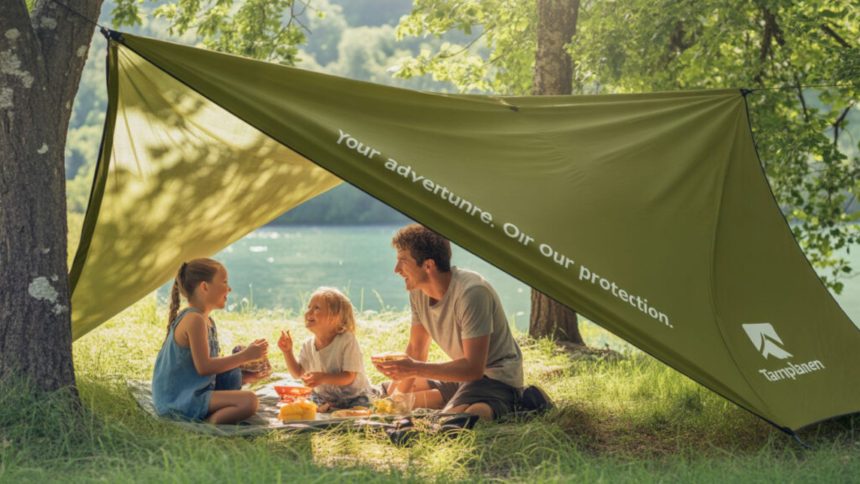
Campers use them as ground covers, rain shelters, or wind barriers. Their rugged design makes them ideal for rough terrain.
Gardening and Agriculture
Farmers and gardeners often use tarnplanen to cover hay, protect tools, or shield plants from frost.
Construction and DIY Projects
On building sites, these sheets protect materials from rain and dust. At home, they’re handy during painting or renovation.
In many cases, people choose tarnplanen because they last longer than ordinary tarps.
Environmental Considerations and Sustainability
With growing awareness about the environment, it’s worth asking: are tarnplanen eco-friendly?
The answer depends on how they’re made and used. High-quality versions last many years, reducing waste. Reusing military surplus tarnplanen is another form of recycling.
However, synthetic materials can be difficult to break down once discarded. Some manufacturers are now exploring more sustainable fabrics and coatings.
From a practical standpoint, buying one durable tarnplane that lasts a decade is often better for the planet than replacing cheap covers every year.
Choosing the Right Tarnplane for Your Needs
Picking the right tarnplane is about matching the product to your purpose.
Size Matters
Larger sheets offer more coverage but are heavier. Smaller ones are easier to carry and store.
Pattern and Color
Forest, desert, and urban patterns serve different environments. Even for civilian use, choosing a suitable design can improve effectiveness.
Weight and Portability
If you plan to carry it on foot, lighter options are better. For stationary use, weight matters less.
Think of it like buying shoes: the best choice depends on where and how you’ll use them.
Care and Maintenance Tips
A well-maintained tarnplane can serve you for years.
- Clean gently with water and mild soap
- Dry fully before storage to prevent mold
- Store loosely to avoid permanent creases
- Inspect regularly for small tears and repair them early
These simple habits keep the material strong and reliable. Treat it well, and it will return the favor when you need it most.
Cultural Impact and Popularity
Tarnplanen have quietly become part of popular culture. You’ll see them at music festivals, outdoor markets, and even in fashion-inspired designs.
Their rugged look symbolizes self-reliance, adventure, and preparedness. For some people, owning one feels like being ready for anything—rainstorm, road trip, or unexpected project.
It’s fascinating how an item designed for concealment has become so visible in everyday life.
The Future of Tarnplanen
As technology advances, tarnplanen are evolving too. New fabrics are lighter, stronger, and more adaptable. Some experimental designs even adjust color or texture based on surroundings.
While the basic idea remains the same, innovation continues to expand how these sheets can be used. The future may bring smarter, greener, and even more versatile versions.
Like a good story retold for a new generation, tarnplanen keep changing while staying true to their roots.
Conclusion: Why Tarnplanen Still Matter
From battlefields to backyards, tarnplanen have proven their worth time and again. They protect, conceal, and adapt in ways few other tools can. For the general public, they offer a blend of durability and flexibility that’s hard to beat.
In a world where multipurpose solutions are increasingly valued, the tarnplane stands out as a quiet hero—simple in appearance, powerful in function. Whether you use one or just understand its role, it’s clear that this unassuming sheet has earned its place in both history and daily life.
Frequently Asked Questions
What is the main purpose of a tarnplane?
A tarnplane is designed to conceal and protect objects by blending them into their surroundings while also offering weather resistance.
Can tarnplanen be used for camping?
Yes, they are commonly used for camping as ground covers, shelters, or protective layers due to their durability.
Are tarnplanen waterproof?
Most tarnplanen are water-resistant or waterproof, depending on the material and coating used.
How long does a tarnplane usually last?
With proper care, a high-quality tarnplane can last many years, even with regular use.
Are tarnplanen suitable for everyday home use?
Absolutely. Many people use them for gardening, DIY projects, or covering outdoor items at home.