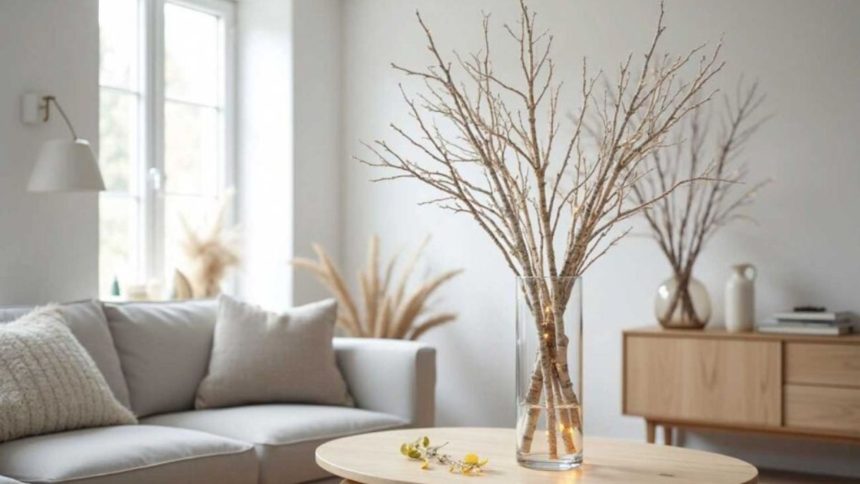
Have you ever noticed how a single branch in a vase can change the mood of a whole room? That quiet charm, that natural elegance, is what pyntekvister are all about. These decorative branches have been used for generations to add warmth, character, and a sense of season to living spaces. In this article, we’ll explore everything you need to know—from their roots in tradition to modern styling ideas—using simple language and practical examples you can actually use at home.
What Are Pyntekvister?
At their core, pyntekvister are decorative twigs or branches used indoors for visual appeal. They may be bare, budding, flowering, or even painted, depending on the season and style. Think of them as nature’s minimalist artwork.
Unlike fresh bouquets that demand attention, these branches are subtle. They don’t shout; they whisper. And that’s their power. A single branch can act like a pause in music—quiet, meaningful, and surprisingly emotional.
A Brief Look at Their Cultural Roots
Decorative branches have deep roots in Northern European homes. Long winters and limited greenery led people to bring nature inside in creative ways. Twigs collected from nearby forests became symbols of hope, renewal, and the passing of seasons.
Over time, this practice evolved. What started as a seasonal habit turned into a year-round design choice. Today, you’ll find them in modern apartments, cozy cottages, and even offices, quietly connecting indoor life with the outdoors.
Why People Love Decorating with Branches
Why choose branches over flowers or store-bought décor? The answer is simple: authenticity.
Branches feel real because they are real. They bring texture, height, and movement into a space. They also last longer than fresh flowers and require very little care. For many, they strike the perfect balance between beauty and simplicity.
And let’s be honest—there’s something deeply satisfying about decorating with something you might have picked up on a walk.
Types of Decorative Branches You Can Use
Not all branches are the same, and that’s part of the fun.
Bare Twigs
These are perfect for a clean, modern look. Their simple lines work well in neutral spaces.
Budding Branches
In early spring, branches with small buds symbolize new beginnings. They add softness without overwhelming a room.
Flowering Branches
Cherry, apple, or magnolia branches bring drama and romance. One branch can feel like a celebration.
Leafy Branches
Greenery adds freshness and works beautifully in summer interiors.
Each type tells a different story, much like chapters in a book.
Seasonal Styling Ideas That Feel Natural
One of the joys of using branches is how easily they follow the calendar.
In winter, bare twigs paired with soft lighting create a calm, reflective mood. Spring invites budding or flowering branches that feel hopeful. Summer favors green, leafy stems, while autumn welcomes branches with berries or warm tones.
Changing branches with the seasons is like changing clothes—it keeps your home feeling alive and current without much effort.
How to Display Pyntekvister at Home
You don’t need a designer’s eye to make branches look good. A few simple rules go a long way.
Choose the Right Vase
Tall branches need stable, heavy vases. Glass, ceramic, or stone all work, depending on your style.
Let Them Breathe
Avoid crowding. One or three branches are often enough. Space allows their shape to shine.
Play with Height
Branches are great for filling vertical space, especially in rooms with high ceilings.
Think of it like framing a photograph—less distraction means more impact.
DIY Decorating with Found Branches
One of the best parts? You don’t have to buy anything.
A walk in a park or forest can provide beautiful materials. Just make sure you’re allowed to collect fallen branches. Once home, clean them gently and let them dry if needed.
You can leave them natural or add subtle touches like string, paper ornaments, or soft paint. This hands-on approach makes the décor feel personal and meaningful.
Minimalism and Modern Interior Design
Modern homes often lean toward clean lines and open spaces. Decorative branches fit perfectly into this style.
They act as natural sculptures, adding interest without clutter. In a minimalist setting, a single branch can become the focal point, much like a painting on an empty wall.
It’s proof that you don’t need more things—just the right ones.
Using Branches for Celebrations and Events
Branches aren’t just for everyday décor. They shine during special moments too.
For holidays, they can be decorated with lights or small ornaments. At weddings or parties, they create elegant centerpieces that feel organic and timeless.
Because they’re versatile, they adapt easily to different themes, from rustic to modern.
Caring for Decorative Branches
One reason people love these natural elements is their low maintenance.
Most bare or dried branches need no care at all. Fresh or budding branches may need water and occasional trimming. Keep them away from direct heat and strong sunlight to extend their life.
In return, they’ll quietly enhance your space day after day.
The Emotional Side of Natural Décor
Here’s something we don’t talk about enough: how décor makes us feel.
Natural elements have a calming effect. They remind us to slow down, breathe, and notice small details. A branch in a vase can feel like a gentle reminder that beauty doesn’t have to be loud.
It’s a bit like listening to acoustic music after a noisy day—simple, grounding, and deeply comforting.
Conclusion: A Small Change with Big Impact
Pyntekvister may seem simple, but that’s exactly their strength. They bring nature indoors in a quiet, honest way. Whether you live in a city apartment or a countryside home, decorative branches offer an easy, affordable way to refresh your space.
So next time you pass a beautiful fallen branch, ask yourself: why not bring it home?
Frequently Asked Questions
What does pyntekvister mean?
It refers to decorative branches or twigs used indoors for visual appeal and seasonal décor.
Can I use real branches from outside?
Yes, as long as they’re collected responsibly and cleaned before use.
Do decorative branches need water?
Only fresh or budding branches need water. Dried ones do not.
Are they suitable for small spaces?
Absolutely. Even a single branch can add charm without taking up much room.
Can branches fit into modern home styles?
Yes, they work especially well in minimalist and contemporary interiors due to their natural simplicity.