Introduction
Have you ever wondered what “home” truly means to a people who once carried their entire lives on horseback across a continent? For Mongolians, the answer is layered, poetic, and deeply practical all at once. The term oron suuts — which translates simply as “residential space” — holds far more weight than two words can carry. It speaks of a nation’s journey from open steppes to city skylines, from felt-wrapped circular homes to concrete apartment blocks, and from a purely nomadic soul to a beautifully complex modern identity. Understanding oron suuts means understanding Mongolia itself — its past, its people, and the quiet pride they carry into every home they build.
What Does “Oron Suuts” Actually Mean?
Let’s start at the very beginning. The Mongolian phrase oron suuts (Орон сууц) literally breaks down to mean “residential housing” or “living space.” In everyday conversation across Mongolia, it refers to permanent dwellings — primarily apartments, flats, and fixed residential units found in towns and cities. Think of it as Mongolia’s equivalent of what English speakers would simply call a “flat” or “apartment.” But calling it just that would strip away all the cultural texture the term carries.
For a people whose ancestors lived entirely in portable shelters that could be assembled and dismantled in under an hour, the idea of a permanent address — an oron suuts — represents something genuinely profound. It is not merely four walls and a roof. It is an anchor. It is the place where a child grows up, where grandparents are cared for, and where a family plants its roots into urban ground for the first time.
The Ancient Foundation: Life Before Permanent Housing
To appreciate what oron suuts means today, you have to step back centuries and picture Mongolia as it once was — and still partly is. Roughly 40 percent of Mongolians still live as nomadic or semi-nomadic herders, moving their families and livestock across vast grasslands according to the seasons. Their traditional home, the ger (known internationally as a yurt), is one of humanity’s most brilliant architectural achievements.
The ger was a masterpiece of design: The circular structure, made from a wooden lattice frame called a khana and covered in thick layers of sheep’s wool felt, can withstand the punishing Mongolian climate where temperatures swing between -40°C in winter and +40°C in summer. Its circular shape is aerodynamically smart — winds that would topple a rectangular structure simply curve around a ger. The central opening at the top serves as both a skylight and chimney. The interior, though compact, is perfectly organized: a sleeping area, a cooking zone, storage, and a central stove that heats the entire space evenly. Every element earns its place.
The ger is not just clever engineering — it carries deep symbolic meaning. Its circular shape represents unity, the cycle of life, and the eternal connection between a family and the natural world around it. The door of a ger traditionally faces south, toward warmth and the sun. Sacred space is honored: the northern section behind the stove is considered the most respected area, reserved for honored guests and elders. Even the act of entering carries etiquette — you never step on the threshold, and you always receive tea with your right hand or both hands.
This was the original oron suuts — not a fixed building, but a living, breathing home that moved with its people.
The Soviet Era and the Birth of Urban Housing
Mongolia’s shift toward permanent, fixed housing came largely during the 20th century, particularly through Soviet-era influence after Mongolia aligned with the USSR. Urbanization accelerated rapidly, and the capital Ulaanbaatar grew from a modest settlement into a proper city that needed housing — and needed it fast.
Soviet-style panel apartment blocks began appearing across Ulaanbaatar and other urban centers. Thick concrete walls, centralized heating systems, and efficient if modest floor plans became the standard. These were, by any measure, functional structures built for practicality. They lacked the elegance of traditional architecture, but they offered something nomadic life could not: permanence, utilities, and access to schools, hospitals, and jobs.
For many Mongolian families making the transition from steppe to city, moving into an oron suuts apartment was a milestone moment — the first time in their family’s history that they had a permanent address. The emotional weight of that transition is something most urban dwellers in the West can barely imagine. It was like being handed a piece of the earth and told: this is yours, and it isn’t going anywhere.
Structure and Architecture of Modern Oron Suuts
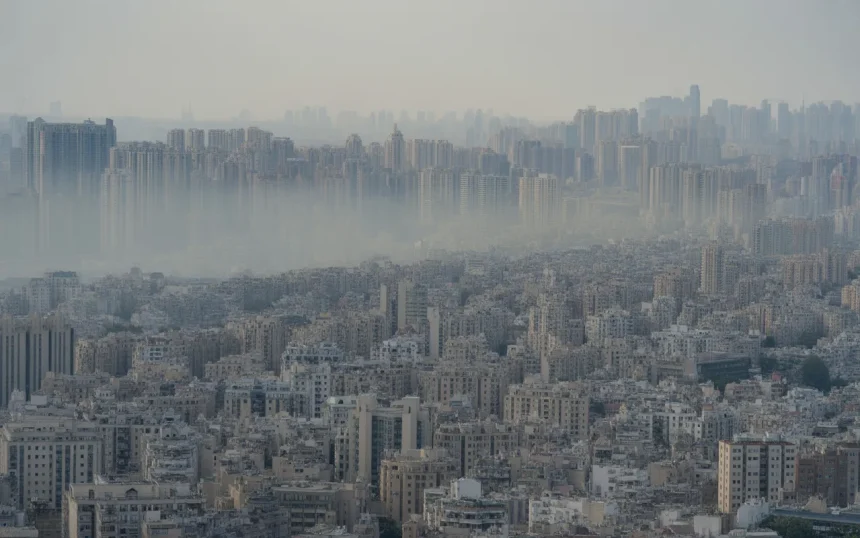
Today’s oron suuts landscape in Mongolia is a fascinating mixture of old Soviet blocks and sleek new residential developments. Walk through Ulaanbaatar and you’ll see both side by side — the weathered concrete of mid-century apartments standing next to glass-faced modern complexes with underground parking and smart access systems.
Soviet-era panel apartments remain popular for practical reasons. Their walls are thick, which means better insulation against Mongolia’s brutal winters. Their central heating systems, while aging, are often more reliable than those in newer buildings. Established neighborhoods around them tend to have mature infrastructure — schools nearby, public transport access, and the kind of lived-in community feel that newer developments are still building.
Modern residential complexes, on the other hand, bring contemporary amenities into the mix. Elevators, security systems, improved energy efficiency, and thoughtfully designed layouts appeal to a younger generation of urban Mongolians. Some developments are beginning to incorporate solar energy systems and eco-friendly building materials, nodding to Mongolia’s nomadic tradition of treading lightly on the land.
In both cases, the typical oron suuts is evaluated by a handful of key factors: the number of rooms (tасалгаа), the total square meterage, the district it sits in, the quality of the heating system, and whether it’s furnished. In a city where winters are genuinely life-or-death serious, a reliable heating system isn’t a luxury — it’s non-negotiable.
Suutei Tsai: The Drink That Fills Every Oron Suuts
You cannot talk about Mongolian home life without talking about suutei tsai — the salty milk tea that fills every kitchen, every ger, and every oron suuts apartment from morning to night. If the ger is the body of Mongolian home life, suutei tsai is its heartbeat.
Made from water, milk, loose tea leaves, and salt — and often enriched with toasted millet, butter, or animal fat — suutei tsai is Mongolia’s most sacred everyday drink. It is the first thing brewed each morning and the last comfort of the evening. In Mongolian tradition, tea holds the honorary title of ideenii deej, meaning “the pinnacle of foods.” That’s right — not a snack, not a side dish: the pinnacle of the entire table.
The preparation itself is almost meditative. The tea is boiled and then scooped and poured from a height repeatedly, a technique that aerates the mixture and creates a richer, velvety texture. The first cup is never for a family member — it’s offered to the sky, the mountains, and the spirits of nature. The lady of the household steps outside each morning and splashes fresh tea upward as an offering to the Eternal Blue Sky (Mönkh Khökh Tenger), a ritual that has been observed for centuries without interruption.
Even as Mongolians moved from gers into oron suuts apartments, this ritual persisted. Families now perform it from their apartment balconies, and passersby who happen to receive a few drops of tea consider themselves lucky — it’s seen as a blessing, not an inconvenience. That detail alone tells you everything about how deeply tradition flows through even the most urbanized Mongolian home.
Guests arriving at any oron suuts are greeted with suutei tsai. Decline it and you risk mild offense. Accept it with both hands and you’ve made a friend. The tea is the handshake, the welcome mat, and the opening conversation all rolled into one steaming bowl.
Oron Suuts as a Symbol of Social Mobility
In modern Mongolia, owning an oron suuts apartment isn’t just about having a place to sleep. It’s a statement. It represents stability in a rapidly modernizing society, and for many families — especially those who made the journey from rural herding communities to the city — it marks the most significant financial achievement of their lives.
Imagine being the first person in your family’s generations-long nomadic lineage to hold a property deed. That is the reality for thousands of Mongolians every year. An oron suuts means a permanent address, which in turn means access to the formal systems of modern life: school enrollment, healthcare registration, employment paperwork, and banking. Without that fixed address, navigating urban bureaucracy becomes significantly harder. The apartment is not just a home — it’s a key that unlocks participation in city life.
For younger generations, access to quality oron suuts is also closely tied to education and career opportunities. Central districts in Ulaanbaatar command premium prices precisely because they sit near the best schools, offices, and transport links. Location, in this context, isn’t just about convenience — it’s about opportunity.
The Real Estate Market and Investment Landscape
Mongolia’s oron suuts market has grown into a dynamic and competitive space. Digital platforms and social media housing groups have transformed how Mongolians search for, buy, and rent apartments. Search terms like “oron suuts for sale” and “apartment in Ulaanbaatar” reflect consistently strong online demand, and the market has responded with increasing professionalism and transparency.
Pricing depends on a layered set of factors: location within the city, building age and construction quality, heating reliability, proximity to schools and transport, and whether the unit comes furnished. Investors are drawn to oron suuts properties for their potential to generate steady rental income, particularly in a city experiencing ongoing population growth as rural-to-urban migration continues.
The government, for its part, recognizes housing as a strategic national priority. Large-scale residential development projects often involve collaboration between private developers and public bodies, reflecting how central oron suuts is to Mongolia’s broader economic and social planning.
Sustainability and the Eco-Conscious Future of Mongolian Housing
There’s a beautiful irony in the story of oron suuts. The nomadic lifestyle that preceded permanent housing was, in many ways, the original model of sustainable living. Nomadic herders practiced rotational grazing to prevent land degradation, used biodegradable and locally sourced materials for their gers, harvested rainwater and used natural springs carefully, and left almost no permanent footprint on the landscapes they traversed.
As Mongolia’s housing sector modernizes, there’s a growing movement to bring some of that wisdom back. New oron suuts developments increasingly incorporate energy-efficient insulation, solar panels, and eco-friendly construction materials. Urban planners are considering how Mongolia’s housing future can balance density and affordability with the environmental consciousness that is, after all, part of the country’s deepest cultural DNA.
The ger itself is still considered by many architects and sustainability experts as a model worth studying. A structure that can be assembled from natural materials, provides exceptional insulation, and leaves no permanent mark on the earth — these are principles that modern construction is only beginning to rediscover.
Challenges Facing Oron Suuts Development Today
No story of progress is without its complications, and oron suuts development faces real challenges. Rapid urbanization has put enormous pressure on housing supply in Ulaanbaatar, driving up prices and squeezing affordability for lower-income families. Older Soviet-era apartment blocks, while beloved for their heating reliability and thick walls, often require significant renovation to meet modern safety and energy standards. The investment needed for that kind of upgrading is substantial.
There’s also the cultural challenge. As more young Mongolians leave rural areas and nomadic lifestyles behind for city apartments, something precious is at risk of being diluted. The deep knowledge of ger construction, the rituals of nomadic hospitality, the care shown to livestock and land — these are skills and values that don’t transfer automatically into apartment living. Organizations and individuals are working to ensure that the move into oron suuts doesn’t mean a move away from Mongolian identity.
Environmental pressures complicate things further. The wood used in ger construction and urban heating comes from forests that face deforestation risks if demand isn’t managed carefully. Sustainable forestry and building practices aren’t optional extras — they’re necessities for a country whose climate and landscape are already under stress.
The Future of Oron Suuts: Smart Cities and Cultural Continuity
Mongolia is not standing still. The future of oron suuts points toward higher urban density, smarter city planning, climate-adaptive architecture, and more sophisticated housing finance systems. International investor interest in Ulaanbaatar’s real estate market is growing, and digital property platforms are making the market more accessible and competitive than ever before.
But perhaps the most exciting possibility is the one that bridges rather than breaks: oron suuts developments that incorporate design elements echoing the ger, communal spaces that encourage the kind of neighborly hospitality Mongolians have practiced for centuries, and green building practices that honor the nomadic ethos of living lightly. Architecture that remembers where it came from, even as it reaches toward something new.
Think of it like a great river: the oron suuts of the future don’t have to abandon their nomadic source to flow powerfully toward an urban sea. It carries everything that came before it, even as the landscape around it transforms.
Conclusion
The story of oron suuts is, at its heart, the story of Mongolia itself — a people of extraordinary resilience, moving through history without losing their sense of self. From the ingeniously portable ger to the sturdy apartment block, from the morning ritual of suutei tsai offered to the sky to the tea poured in a modern Ulaanbaatar kitchen, the thread of identity runs unbroken. Whether you’re a traveler curious about Mongolian culture, a researcher exploring housing trends, or simply someone who finds meaning in the idea of home, oron suuts has something genuine to offer. It reminds us that a home is never just a building — it’s a way of living, a set of values, and a promise to the people you share it with.
Frequently Asked Questions (FAQs)
- What is the exact meaning of “oron suuts” in Mongolian?
Oron suuts (Орон сууц) is a Mongolian term that directly translates to “residential housing” or “living space.” In everyday usage, it refers specifically to permanent dwellings such as apartments and flats found in Mongolian towns and cities, as opposed to traditional portable ger (yurt) structures used by nomadic communities. - How is oron suuts different from the traditional Mongolian ger?
A ger is a circular, portable dwelling made from wooden frames and felt coverings, designed to be assembled and dismantled quickly for nomadic life. An oron suuts, by contrast, is a fixed, permanent residential structure — typically an apartment building found in urban settings. While the ger embodies Mongolia’s nomadic heritage, oron suuts represents its modern urban identity. Both are considered deeply significant forms of home in Mongolian culture. - Why is suutei tsai so important in Mongolian home life?
Suutei tsai, or salty milk tea, is considered the most sacred everyday element of Mongolian hospitality. It is brewed multiple times daily in every home, offered first to guests upon arrival, and even given as a morning tribute to the sky and spirits of nature. In Mongolian tradition, it holds the title of “the pinnacle of foods” — making it far more than just a beverage. It is the centerpiece of social connection and daily ritual, whether in a ger or an oron suuts apartment. - Is investing in oron suuts apartments in Mongolia a good opportunity?
Mongolia’s urban real estate market, particularly in Ulaanbaatar, is growing steadily driven by ongoing rural-to-urban migration. Oron suuts properties offer potential for rental income and long-term value appreciation, especially in central districts close to schools and employment centers. However, as with any property market, factors like building age, heating reliability, location, and market conditions should be carefully evaluated. Consulting a local real estate professional is always advisable. - Are oron suuts developments becoming more environmentally sustainable?
Yes, there is a growing movement toward eco-conscious oron suuts development in Mongolia. New residential complexes increasingly incorporate solar panels, improved insulation, and energy-efficient heating systems. This trend is partly inspired by Mongolia’s own nomadic heritage, which historically demonstrated minimal environmental impact through portable, biodegradable ger construction and rotational land use practices. Sustainability is becoming a key consideration in Mongolia’s housing future.